
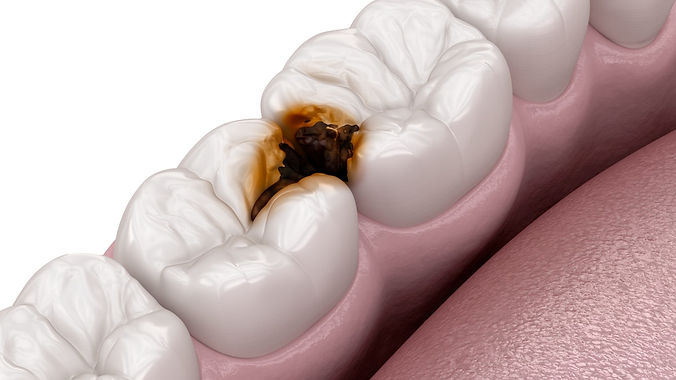
What Is Vital Pulp Therapy?
Vital pulp therapy is a set of procedures designed to preserve and heal the dental pulp, the living tissue at the centre of your tooth that contains nerves and blood vessels.
Traditional treatment often meant removing the entire pulp through a root canal. Vital pulp therapy takes a more conservative route by treating only the affected portion and encouraging the remaining healthy tissue to recover.
Types of Vital Pulp Therapy

Indirect pulp capping
A protective material is placed over a thin layer of remaining dentine near the pulp. Best suited for deep decay where the pulp is not yet exposed
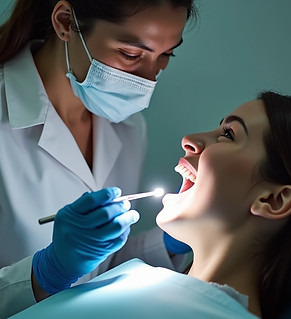
Direct pulp capping
A biocompatible material such as MTA is placed directly onto a small pulp exposure. Best suited for A pinpoint exposure from decay removal or minor trauma
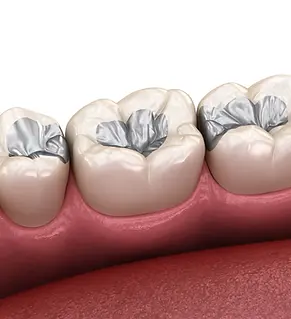
Partial pulpotomy
The inflamed surface layer of pulp is removed and the healthy tissue below is sealed. Best suited for cracked or carious teeth with limited inflammation
Full pulpotomy
The whole coronal is removed but the root is preserved. Best suited for larger exposures where the crown pulp is inflamed but the roots remain healthy.
Benefits of Choosing a Tooth Preserving Approach
Saving the vital pulp offers advantages that extend well beyond the treatment chair.
-
Preserves natural sensation. The tooth continues to sense temperature and pressure normally.
-
Maintains tooth strength. Vital teeth are generally more resistant to fracture than fully devitalised ones.
-
Faster recovery. Single visit treatment means less time in the chair.
-
Supports long term oral health. Avoids future extraction.
Preserving a natural tooth is almost always preferable to removing it. When a tooth cannot be saved, options such as a dental implant can restore function, but nothing replicates a healthy natural tooth as well as the one you were born with.

You may be a good candidate if you have:
-
Deep decay that is close to or slightly touching the pulp
-
A recent tooth fracture that has exposed a small amount of pulp
-
Mild to moderate sensitivity that settles quickly after a stimulus is removed
-
No signs of a spreading infection or abscess
-
A tooth that is otherwise restorable and worth saving
When the pulp is irreversibly damaged or the tooth shows signs of necrosis, a full root canal treatment becomes the safer option.
Understanding the difference between reversible and irreversible pulp damage is central to choosing the correct procedure, and this is where an accurate diagnosis makes all the difference.
Why Choose Sola Dental for Vital Pulp Therapy
Dental Surgeon - Aileen Loo
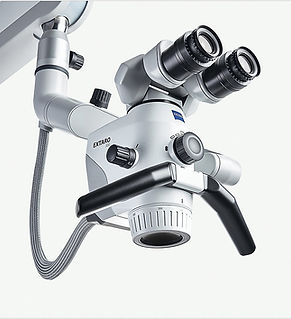
Vital Pulp Therapy is one of the more technically demanding procedures in dentistry, and outcomes improve significantly when it is done under magnification by an experienced hand.
At Sola Dental, every endodontic case is carried out under a dental operating microscope, giving us the visibility to find missed canals, remove obstructions, and seal the tooth accurately.
