
What Is Pulpal Regeneration Treatment?
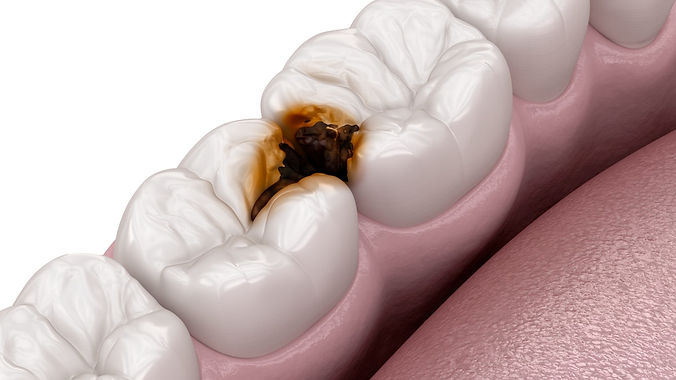
Pulpal regeneration, also known as regenerative endodontics or pulp revascularisation, is a treatment for immature permanent teeth whose pulp has become infected or has died. The pulp is the living tissue at the centre of the tooth, and in a young tooth it is responsible for building the root.
Once the pulp is lost, root development normally stops. The tooth is left with thin, fragile walls and a wide open tip at the end of the root. Pulpal regeneration aims to restart that growth by drawing on stem cells and growth factors from the tissue surrounding the root tip.
Types of Treatment for Immature Teeth

Regenerative endodontic procedure
The canal is disinfected and a blood clot scaffold encourages new tissue growth and continued root development. Best suited for immature permanent teeth with a dead or infected pulp and an open root tip.

MTA apexification
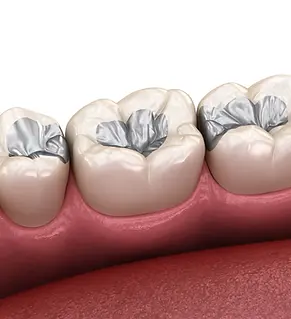
A bioceramic plug is placed at the open root tip to create an artificial barrier so the canal can be filled. Best suited for cases where regeneration is unlikely to succeed, has not achieved the desired result, or where a post is needed to support the final restoration.
Calcium hydroxide apexification
Calcium hydroxide is placed and replaced in the canal over several months until a hard tissue barrier forms. Used less often today, as the long treatment period can weaken the already thin root walls.
Apexogenesis
When the pulp is inflamed but still alive, vital pulp therapy removes only the damaged tissue so the healthy pulp can continue building the root naturally. Best suited for immature teeth with a living pulp, such as a recent fracture with a small exposure.
Benefits of Choosing Pulpal Regeneration
Giving an immature tooth the chance to finish growing offers advantages that a filling alone cannot provide.
-
Continued root development. The root can grow longer and its walls thicker over time.
-
Greater resistance to fracture. Thicker root walls are better able to withstand everyday biting forces than thin, fragile ones.
-
Possible return of sensation. Some treated teeth regain a response to sensitivity testing.
-
Minimal removal of tooth structure. The canal walls are cleaned chemically rather than drilled away.
-
Future options stay open. If regeneration does not achieve the desired result, apexification or root canal treatment can still be carried out.
For a young patient, keeping the natural tooth matters a great deal. Options such as a dental implant are generally postponed until jaw growth is complete, so preserving the tooth through the teenage years avoids a long period with a gap or a temporary replacement.

You may be a good candidate if you or your child has:
-
A permanent tooth with an incompletely formed root and a wide root tip
-
A pulp that has died following trauma, deep decay or a fractured tooth
-
A tooth that can be restored without needing a post
-
The ability to attend both visits and the follow up reviews
-
No known allergy to the medicaments used during treatment
When the root is already fully formed, root canal treatment is usually the more predictable option.
Knowing the exact stage of root development and the true condition of the pulp is what separates a successful regeneration from an avoidable failure, which is why careful diagnosis always comes first.
Why Choose Sola Dental for Pulpal Regeneration Treatment
Dental Surgeon - Aileen Loo
Pulpal regeneration is one of the more technically demanding procedures in endodontics. The canals of young teeth are wide and delicate, and every stage, from gentle disinfection to controlling the blood clot and placing the barrier material, calls for precision.
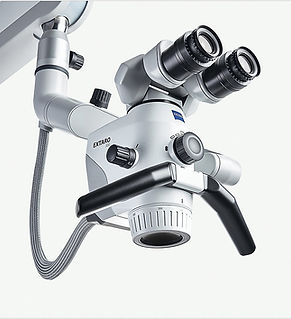
At Sola Dental, every endodontic case is carried out under a dental operating microscope. This magnification gives us the visibility to clean the canal without thinning its walls and to place sealing materials accurately at the right level. Treating younger patients also requires patience and clear explanations, so that parents understand each stage and the importance of the review schedule.
