Chipped Tooth Treatment in Hong Kong

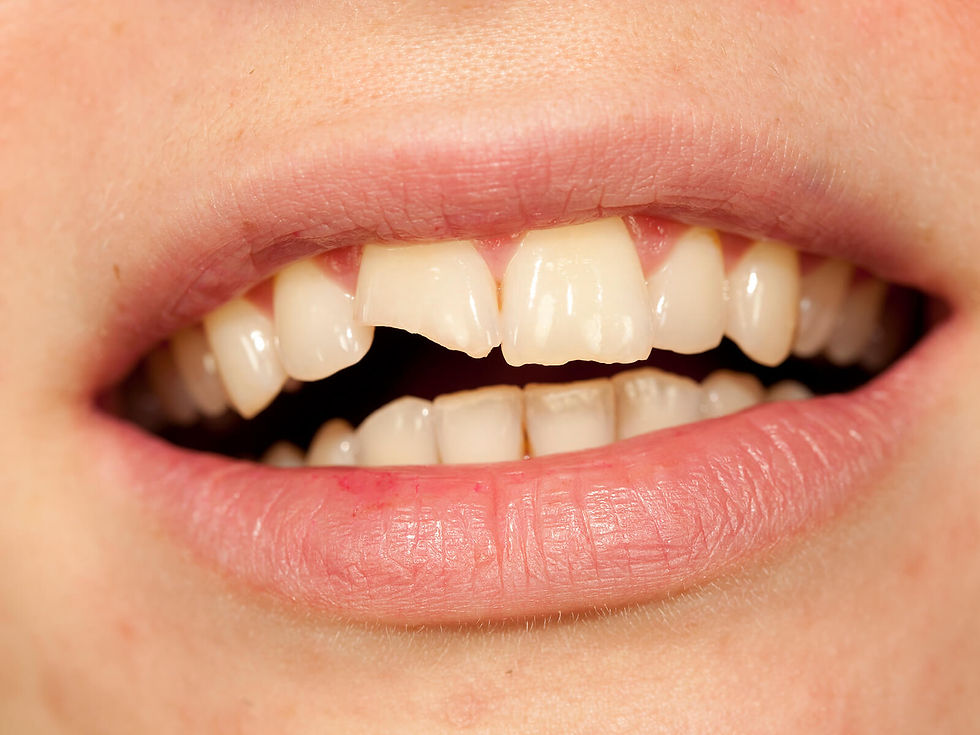
A chipped tooth is one of the most common dental emergencies seen in Hong Kong clinics. Whether it happens from biting into something hard, a knock during sports, or years of grinding, a chip can range from a tiny cosmetic flaw to a serious structural problem that threatens the long term health of your tooth. At Sola Dental in Tsim Sha Tsui, our dentists assess every chipped tooth individually and recommend the most conservative, effective treatment to restore both function and appearance.
What Causes a Chipped Tooth?
Tooth enamel is the hardest substance in the human body, yet it is still vulnerable to sudden impact and repeated stress. Understanding what caused your chip matters because it shapes both the treatment needed and the steps required to prevent it from happening again.
The most common causes include:
Trauma or impact — a fall, a sports injury, or accidentally biting down on a bone or hard food item
Tooth decay — cavities weaken enamel from within, making teeth far more prone to fracture under normal biting forces
Bruxism (teeth grinding) — repeated nocturnal grinding generates forces that gradually wear and chip the edges of teeth, often without the patient realising it
Old or large fillings — restorations that have aged, cracked, or become structurally compromised can leave the surrounding tooth structure unsupported and vulnerable
Acid erosion — frequent consumption of acidic food and drinks softens enamel over time, reducing its resistance to fracture
Age — enamel naturally becomes more brittle with age, increasing the likelihood of chipping even from minor forces
If you notice worn edges, unexplained sensitivity, or small chips appearing without a clear cause, it is worth visiting our general dental services page to understand what routine protective care can do for you.

Types of Chipped Tooth: How Serious Is Yours?
Not all chips are equal. Dentists classify tooth fractures by their depth and location, and each type calls for a different treatment approach.
Fracture Type | Description | Typical Treatment |
Craze lines | Superficial cracks in enamel only, no structural loss | Monitoring or cosmetic bonding |
Minor enamel chip | Small fragment of enamel lost, no dentine exposed | Dental bonding or smoothing |
Moderate chip | Chip extends into dentine, possible sensitivity | Composite filling, onlay, or veneer |
Cusp fracture | A full cusp breaks away | Crown placement |
Complicated crown fracture | Fracture reaches the pulp | Root canal treatment then crown |
Vertical root fracture | Fracture runs down the root | Often requires extraction |
A minor chip at the edge of a front tooth may need nothing more than a composite bonding repair completed in a single visit. A cusp fracture on a back molar, however, leaves the remaining tooth structure unsupported and may require a dental crown to prevent the rest of the tooth from splitting entirely.
If the fracture has reached the pulp, the nerve and blood supply at the centre of the tooth, you will usually experience sharp, spontaneous pain or intense sensitivity to hot and cold. In that case, a root canal treatment is necessary before any restoration can be placed.
Treatment Options for a Chipped Tooth
Dental Bonding and Composite Filling
For minor to moderate chips, composite resin bonding is the most conservative and widely used approach. The dentist applies a tooth coloured composite material to the chipped area, sculpts it into the correct shape, and hardens it with a curing light. The whole process typically takes 30 to 60 minutes in a single appointment and requires no removal of healthy tooth structure.
Bonding works best for smaller chips, particularly on front teeth where aesthetics matter. Because composite resin is not as hard as enamel, bonded restorations can stain or chip again over time and may need refinishing every few years.
At Sola Dental, a composite filling starts from HKD $800.
Dental Veneers
For front teeth where a larger portion of enamel has been lost, or where multiple teeth are affected, a porcelain veneer provides a more durable and aesthetically superior result. Veneers are thin shells of porcelain bonded to the front surface of the tooth. They correct the shape, colour, and surface texture in one treatment.
Dental Crowns
When a significant portion of the tooth has fractured, especially a back tooth under heavy biting load, a dental crown is the most structurally sound restoration. The crown fits over the entire visible portion of the tooth, protecting the remaining structure from further fracture. This is also the standard restoration placed after a root canal treatment on a back tooth.
Clinically, the strength of a crown depends on how much healthy dentine remains below the gum line. Dentists refer to this supporting band of dentine as the ferrule. A ferrule of at least 1.5 to 2mm around the full circumference of the tooth significantly reduces the risk of vertical root fracture under function. Our team always assesses this before crown preparation to ensure the long term prognosis of your restoration.
Crowns and veneers at Sola Dental are priced at HKD $7,500 per unit.
Root Canal Treatment
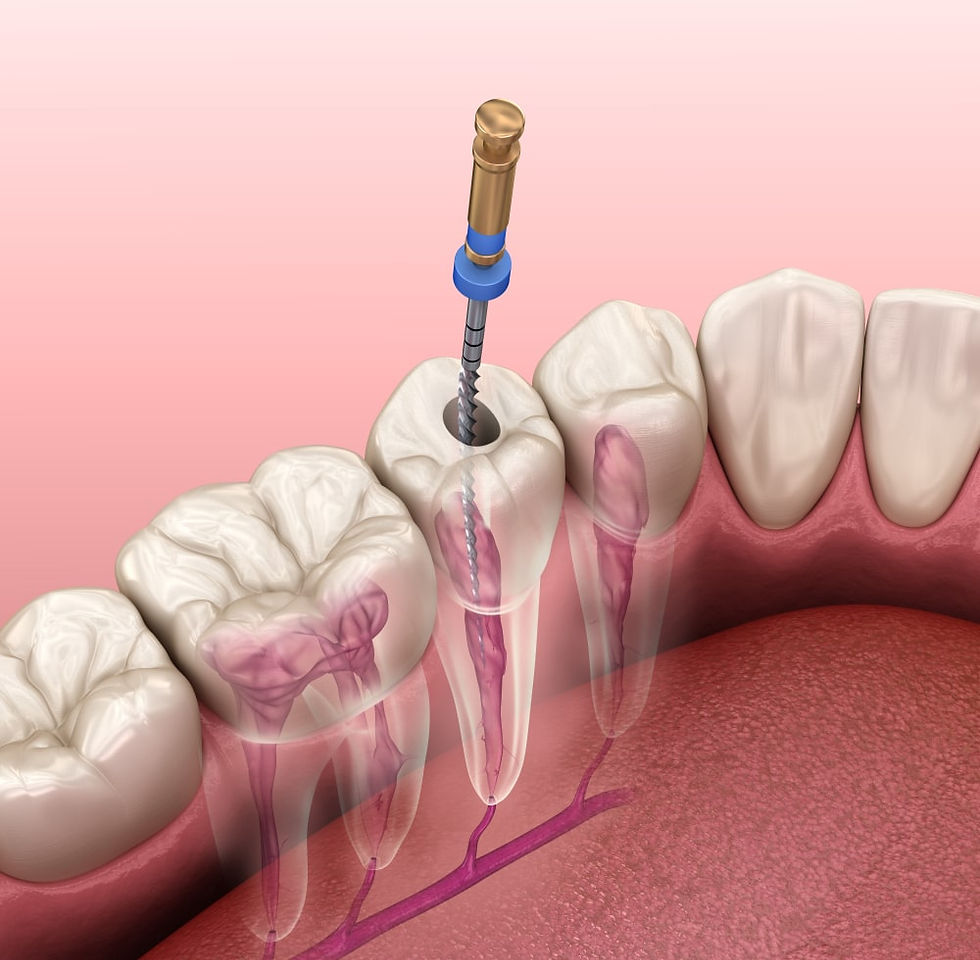
When a chip extends into the pulp chamber, bacteria gain direct access to the nerve tissue, leading to infection and severe pain. A root canal procedure removes the infected pulp, disinfects the canals, and seals them with a biocompatible filling material. The tooth is then restored with a post, core, and crown.
Root canal treatment at Sola Dental is performed under a dental operating microscope for the highest level of precision and is priced from HKD $8,500 for front teeth up to HKD $12,000 for molar teeth.
Tooth Extraction and Implant
In the most severe cases, where the fracture runs vertically down the root or below the bone level, the tooth cannot be saved. Extraction is then the appropriate course of action. A dental implant is the gold standard replacement for a single missing tooth, restoring full chewing function and preventing the bone loss that follows extraction. Implants at Sola Dental start from HKD $18,000 for multiple placements and HKD $20,000 for a single implant.
What to Do Immediately After Chipping a Tooth
Acting quickly after a chip can protect the tooth from further damage and reduce your discomfort before you reach the clinic.
Rinse your mouth with clean water to clear any debris
Save any large broken fragments — in some cases, the dentist may be able to rebond the original piece
Apply gentle pressure with clean gauze if there is bleeding from the gum tissue
Avoid hot, cold, and sweet foods that may trigger nerve sensitivity on the exposed dentine
Cover any sharp edges with dental wax or sugar free gum as a temporary measure to protect your tongue and cheek
See a dentist as soon as possible — a chipped tooth left untreated can deteriorate rapidly, especially if decay or grinding was the underlying cause
For urgent cases, Sola Dental offers emergency dental appointments in Hong Kong. Same day bookings are available for patients in acute pain or with significant structural loss.
Chipped Tooth Treatment Costs in Hong Kong
The total cost of treatment depends on the severity of the fracture, the tooth involved, and the restoration selected. The table below summarises the indicative costs at Sola Dental.
Treatment | Indicative Cost (HKD) |
Consultation and X-ray | $350 + $450 to $1,000 |
Composite bonding / filling | From $800 |
Veneer or crown | $7,500 per unit |
Root canal treatment (anterior) | $8,500 to $9,500 |
Root canal treatment (molar) | $11,000 to $12,000 |
Dental implant (single) | $20,000 |
For a full breakdown of our fees, visit the Sola Dental pricing page.
How to Prevent Chipping a Tooth
Prevention is almost always less expensive and less involved than treatment. The following habits and protective measures significantly reduce your fracture risk:
Wear a custom fitted night guard if you grind your teeth during sleep. At Sola Dental, a night guard costs HKD $2,800 and is made from durable acrylic material shaped precisely to your bite.
Avoid using your teeth to open packaging, bite nails, or chew on pens and ice cubes.
Keep up with regular scaling and check-up appointments to catch decay before it weakens tooth structure from within.
Wear a sports mouthguard during contact sports.
Reduce the frequency of acidic drinks such as citrus juices, carbonated sodas, and sports drinks.
Maintaining sound tooth structure through routine dental hygiene care is the single most reliable way to reduce your long term fracture risk.
FAQs About Chipped Tooth
Does a chipped tooth always need treatment?
Not every chip requires immediate intervention, but all chips should be assessed by a dentist. Even a small chip with no pain can have a sharp edge that irritates soft tissue, or it may indicate underlying decay that will worsen without treatment. A consultation will determine whether the tooth needs active treatment or simply monitoring.
Is a chipped tooth a dental emergency?
It depends on the severity. A tiny cosmetic chip with no pain can usually wait for a regular appointment. However, if you have severe pain, a broken tooth with exposed nerves, significant structural loss, or a completely avulsed tooth fragment, you should seek same day emergency dental care. Sola Dental provides urgent appointments for exactly these situations.
Can a chipped tooth repair itself?
No. Unlike bone, tooth enamel has no capacity to regenerate or self repair. Once enamel is lost, the only way to restore it is through dental treatment. Delaying care allows bacteria to enter the exposed dentine and, eventually, the pulp.
Will repairing a chipped tooth hurt?
For minor bonding or filling work, most patients experience little to no discomfort, as only the surface of the tooth is involved. For deeper restorations involving dentine, local anaesthetic is used so the procedure is entirely comfortable. Root canal treatment is also performed under anaesthetic, and most patients report that the procedure itself is far less uncomfortable than the pain that preceded it.
How long does a bonded repair last on a chipped tooth?
Composite bonding typically lasts between three and seven years before it may need refinishing or replacement, depending on the location of the tooth, your bite, and your diet. Porcelain veneers and crowns generally last ten to fifteen years or longer with good oral hygiene and regular professional maintenance.
Can grinding cause chipped teeth even if I feel no pain?
Yes. Many people with bruxism are unaware they grind at night. The cumulative forces from nocturnal grinding can chip tooth edges progressively over months or years, often without any daytime symptoms. If you notice wear facets, flattened edges, or repeated unexplained chips, ask your dentist to assess you for bruxism at your next appointment.