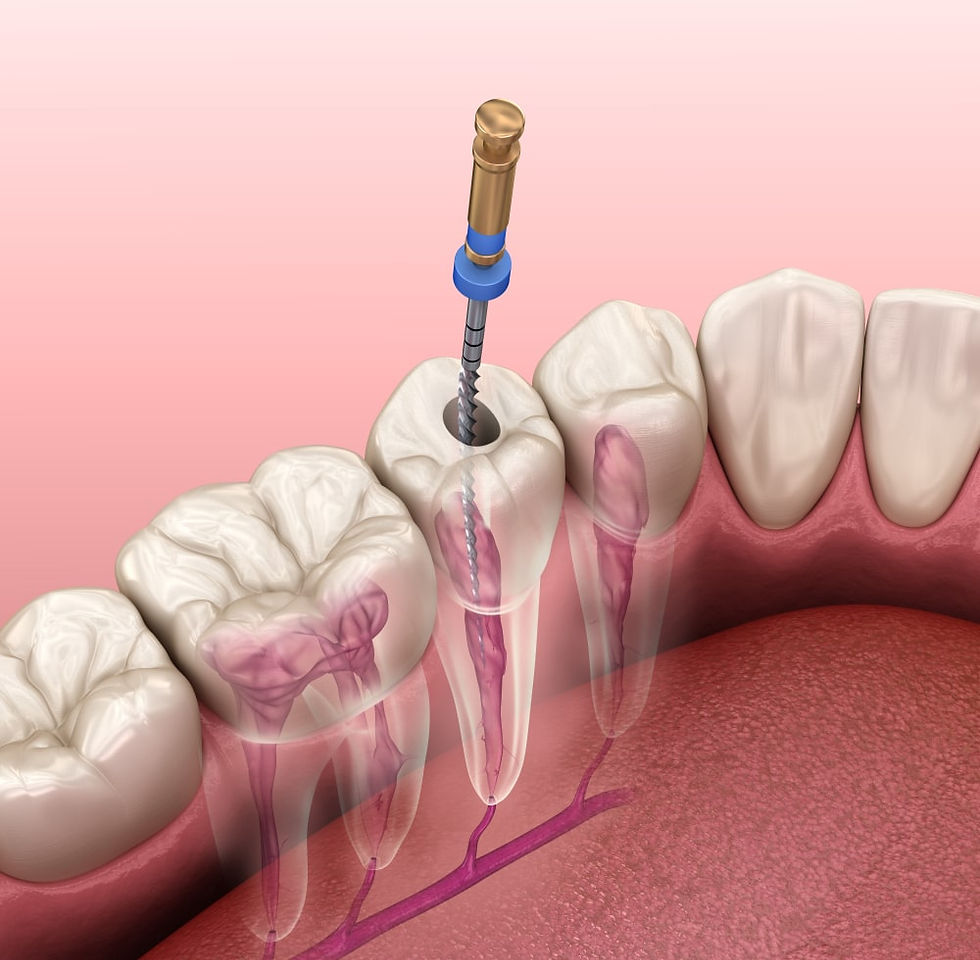
Simple Extraction vs Surgical Extraction

Not every tooth removal is the same. When a tooth cannot be saved, your dentist will recommend one of two approaches, and understanding simple extraction vs surgical extraction helps you know what to expect. A simple extraction removes a tooth that is fully visible above the gum, while a surgical extraction is used when a tooth is broken, impacted, or hard to reach.
The right choice depends on the position of the tooth, its roots, and your overall oral health. This guide explains both, including how they differ, recovery, and typical costs in Hong Kong.
What Happens During a Tooth Extraction
A tooth extraction is usually the final option, not the first. Before removing any tooth, a dentist checks whether it can be rebuilt with a filling, a crown, or saved with root canal treatment. Several factors guide this decision, including how much healthy tooth structure remains, the condition of the surrounding bone and gum, and how well the tooth can be cleaned and maintained over time.
If the tooth truly cannot be saved, the next question is how it should come out. This is where the two categories matter. The method your dentist chooses is based on how accessible the tooth is, not on how important the tooth feels to you. A visible, intact tooth is straightforward to remove. A tooth that is fractured below the gum or trapped in the bone needs a different technique.
Simple Extraction: The Straightforward Removal
A simple extraction is used for a tooth that is fully erupted and visible above the gum line. The dentist numbs the area with local anaesthetic, then uses an instrument called an elevator to loosen the tooth in its socket before lifting it out gently with forceps. No cutting of the gum is involved, and the whole process is usually quick.
Simple extractions are typically suitable for:
Loose teeth caused by advanced gum disease
Teeth that are decayed but still have an accessible crown
Baby teeth that have not fallen out naturally
Teeth with straight, single roots that release easily
Because the tissue is barely disturbed, healing is fast and stitches are rarely needed. Most people return to normal eating within a few days.
Surgical Extraction: When a Tooth Needs More
A surgical extraction is needed when the tooth cannot be gripped and lifted directly. The dentist makes a small incision in the gum to reach the tooth, and in some cases removes a little bone or divides the tooth into sections so it can be taken out piece by piece. Stitches are often placed afterward to help the gum heal.
This approach is common for:
Impacted wisdom teeth, which are the most frequently impacted teeth in the mouth
Teeth broken off at or below the gum line
Teeth with curved, long, or multiple roots
Retained roots left behind after a crown has crumbled
Teeth fused to the surrounding bone
Impacted teeth are a frequent reason for surgery, especially third molars. If your dentist has flagged an impacted lower or upper wisdom tooth, our page on wisdom tooth removal explains that procedure in more detail. A tooth that has fractured suddenly and is causing severe pain may also need prompt attention through emergency dental care.
Simple vs Surgical Extraction Compared
The clearest way to see the difference is side by side. The table below summarises how the two methods compare across the factors that matter most to patients.
Feature | Simple extraction | Surgical extraction |
Tooth condition | Fully erupted and visible | Broken, impacted, or unerupted |
Access | Elevator and forceps only | Small gum incision, sometimes bone removal |
Anaesthesia | Local anaesthetic | Local anaesthetic, sometimes sedation |
Stitches | Rarely needed | Often needed |
Typical cases | Loose or decayed visible teeth | Wisdom teeth, curved roots, retained roots |
Healing time | A few days | One to two weeks |
Overall complexity | Low | Moderate to high |
In short, a simple extraction works with what is already exposed, while a surgical extraction creates the access the dentist needs. The same tooth can sometimes require either method depending on how it breaks during removal.
How Your Dentist Decides, and What It Costs
The decision starts with imaging. A panoramic scan or a CBCT scan shows the shape and angle of the roots, how close they sit to nerves or sinuses, and whether the tooth is impacted. Your medical history matters too, since conditions that affect bleeding or healing may change the plan. If you are unsure which type of removal you need, the team at Sola Dental can assess the tooth and explain your options on WhatsApp at 9422 8026 or by phone at 2887 8520.
Cost naturally follows complexity. A straightforward removal costs less than one that involves incisions and stitches. The typical fees at Sola Dental are set out below.
Procedure | Typical fee |
Simple extraction | $900 |
Surgical tooth extraction | $1,200 to $1,500 |
Nonsurgical removal of upper wisdom tooth | $2,000 |
Surgical removal of upper wisdom tooth | $4,000 to $6,000 |
Surgical removal of lower wisdom tooth | $5,000 |
Remember to factor in replacing the tooth afterward if it sits in a visible or functional position. Options such as dental implants or a removable denture restore chewing and appearance once the socket has healed.
Recovery and Aftercare for Both Types
Aftercare follows the same principles for both procedures, though a surgical extraction usually needs a little more patience. Protecting the blood clot that forms in the socket is the single most important step, since losing it can lead to a painful condition called dry socket.
For a smooth recovery:
Bite gently on the gauze pad for the first hour to control bleeding
Avoid rinsing, spitting, or using a straw for the first 24 hours
Eat soft, cool foods and chew on the opposite side
Skip smoking and alcohol while the socket heals
Take any prescribed medication as directed for pain and swelling
Keep the rest of your mouth clean, but avoid brushing directly over the site at first
Mild swelling and discomfort are normal for the first day or two, especially after surgery. If bleeding, pain, or swelling worsens after three days rather than improving, contact your dentist promptly.
FAQs About Simple and Surgical Extraction
Is a surgical extraction more painful than a simple extraction?
During the procedure you should feel only pressure, not pain, because both are done under local anaesthetic. Afterward, a surgical extraction tends to cause more swelling and soreness because the gum and sometimes bone are involved. This is well managed with prescribed pain relief and usually settles within a few days.
How long does a surgical extraction take to heal compared with a simple one?
A simple extraction site often feels comfortable within a few days, with the socket closing over in a week or so. A surgical site generally takes one to two weeks for the soft tissue to settle, and any stitches are removed or dissolve during that period. Full bone healing underneath continues quietly for several weeks in both cases.
Can a broken tooth always be removed with a simple extraction?
Not always. If a tooth breaks off at the gum line or the roots fracture during removal, the dentist may need to switch to a surgical approach to retrieve the remaining pieces. This is one reason a planned simple extraction sometimes becomes a surgical one partway through.
Will I be put to sleep for a surgical extraction?
Most surgical extractions are done comfortably under local anaesthetic while you are fully awake. For anxious patients or more complex cases, sedation may be offered to help you relax. General anaesthesia is reserved for unusual situations and is not needed for routine tooth removal.
What can I eat after a tooth extraction?
Stick to soft, cool foods for the first day, such as yogurt, mashed potato, soup that is not too hot, and smoothies eaten with a spoon rather than a straw. Gradually return to firmer foods as the area feels better, chewing on the opposite side. Avoid crunchy, spicy, or very hot items until the socket has settled.