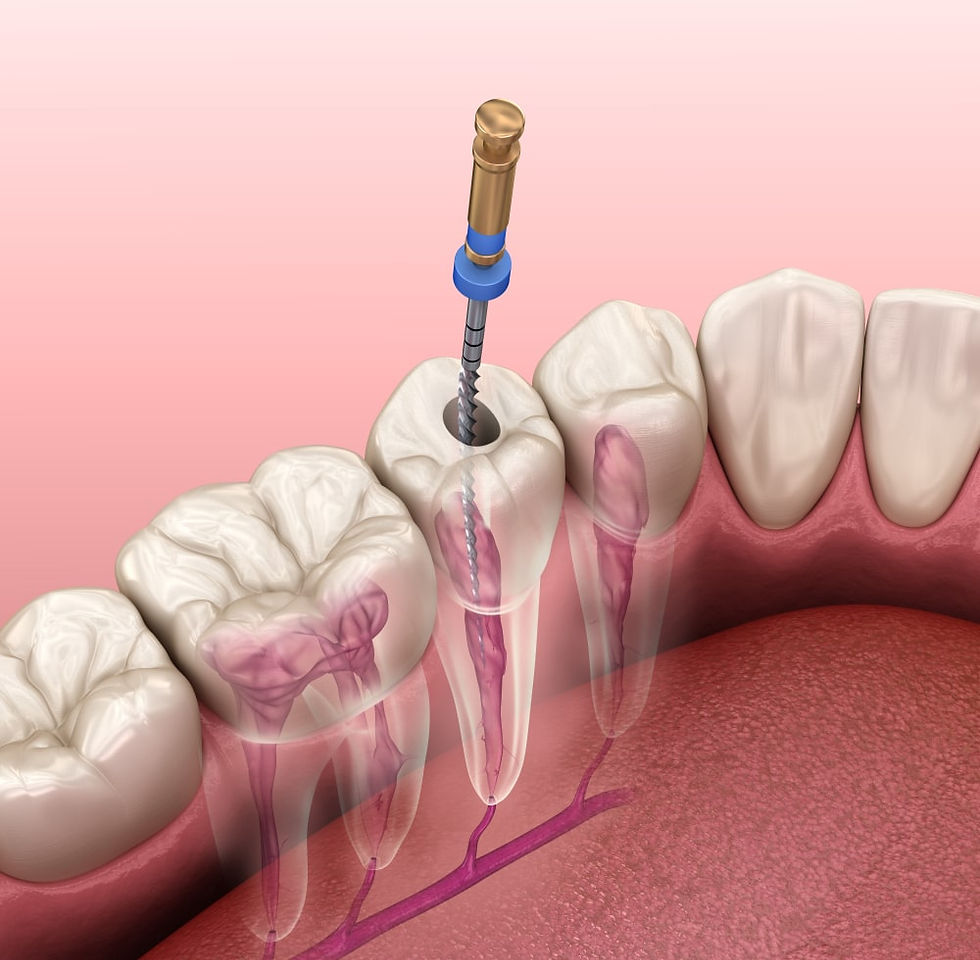
What Is Teeth Scaling

Teeth scaling is one of the most common dental procedures, yet many patients are unsure what it involves or why their dentist recommends it. In simple terms, scaling removes hardened plaque and tartar that brushing alone cannot reach, especially below the gum line. Left in place, these deposits fuel gum inflammation and, over time, gum disease.
This guide explains what teeth scaling is, how the procedure works, how it differs from deeper gum treatment, what it costs at Sola Dental in Tsim Sha Tsui, and how often you should have it done.
What Teeth Scaling Actually Removes
Every day, a soft film of bacteria called plaque forms on your teeth. When plaque is not cleaned away, it hardens into tartar, also known as calculus. Tartar bonds tightly to the tooth surface and cannot be brushed or flossed off. This is where scaling comes in.
Teeth scaling uses specialised instruments to lift plaque and tartar from two areas:
Above the gum line, where deposits are visible and cause staining
Just below the gum line, where hidden buildup irritates the gum tissue
Removing these deposits smooths the tooth surface so bacteria find it harder to stick again. Routine scaling is a core part of general dental hygiene and is often paired with a polish to leave the teeth clean and fresh.
Why Teeth Scaling Matters for Your Gums
Scaling is not only about appearance. It is one of the most effective ways to protect the tissue that holds your teeth in place. Gum disease, or periodontitis, is a plaque induced inflammatory response. When plaque and tartar sit against the gums, the body reacts with inflammation that can slowly destroy the bone and fibres supporting each tooth.
Over time this leads to loss of periodontal attachment and, eventually, loose teeth.
Clinical evidence supports scaling as a foundation of gum treatment. Studies on nonsurgical periodontal therapy show that scaling improves the level of gum attachment to the tooth, which helps stabilise the tooth and reduce pocket depth.
Keeping up with regular scaling helps stop mild gum inflammation from progressing into more serious gum disease that is far harder and more costly to treat.
Signs that you may be overdue for scaling include:
Bleeding when you brush or floss
Persistent bad breath
Visible yellow or brown tartar near the gum line
Gums that look red or feel tender
How the Teeth Scaling Procedure Works
Scaling is a straightforward procedure that most patients tolerate comfortably. A typical appointment follows these steps:
The dentist examines your teeth and gums, sometimes with a dental X ray, to check the extent of tartar and any early signs of gum disease.
Using an ultrasonic scaler, the dentist breaks up and flushes away larger deposits with gentle vibration and a fine water spray.
Hand instruments are then used to remove finer tartar and to clean carefully around and just beneath the gum line.
The teeth are polished to remove surface stain and smooth the enamel.
The dentist reviews your home care routine and advises when to return.
Most patients feel only mild pressure or vibration during scaling, and healthy gums usually need no anaesthetic. If your gums are inflamed or sensitive, tell your dentist so the appointment can be made more comfortable.
Scaling Versus Deeper Gum Treatment
Patients often confuse routine scaling with the deeper treatment used for established gum disease. They are related but not the same. Routine scaling maintains healthy gums, while nonsurgical periodontal therapy treats gums that already have deeper pockets and attachment loss. The table below sets out the key differences.
Feature | Routine teeth scaling | Nonsurgical periodontal therapy |
Main purpose | Removes plaque and tartar above and just below the gum line | Deep cleaning of root surfaces within gum pockets |
Best suited to | Healthy or mildly inflamed gums | Diagnosed gum disease with deeper pockets |
Depth treated | Around and slightly under the gum line | Pockets often 4mm or deeper |
Anaesthetic | Usually not required | Local anaesthetic often used |
Sola Dental fee | $700 | $6000 (full mouth) |
If your dentist finds deep pockets or bone loss, they may recommend the more thorough treatment rather than scaling alone. You can read more about maintaining healthy gums through our gum care services.
How Much Teeth Scaling Costs at Sola Dental
Cost is a common concern, so we keep our pricing clear. Scaling is an affordable preventive treatment, and having it regularly usually works out cheaper than treating advanced gum problems later. The fees below reflect the services most often linked to a scaling visit.
Service | Fee |
Scaling | $700 |
Check up / Consultation | $350 |
Dental X ray (OPG / CBCT) | $450 to $1000 |
Nonsurgical Periodontal Therapy (full mouth) | $6000 |
A full list of treatments is available on our dental pricing page. If you are unsure which treatment you need, a check up lets the dentist assess your gums and recommend the right option before any work begins.
How Often You Should Have Teeth Scaling
For most people, scaling every six months keeps plaque and tartar under control and gives the dentist a chance to spot problems early. Patients with a history of gum disease, or those who tend to build up tartar quickly, may benefit from scaling every three to four months.
Smoking, diabetes and certain medications can also raise your risk, so your dentist may suggest a shorter interval. The right schedule is personal, and a professional assessment through our general dental services will set the frequency that suits your mouth.
FAQs About Teeth Scaling
Is teeth scaling painful?
Most patients feel only mild pressure or vibration during scaling, not pain. If your gums are inflamed or your teeth are sensitive, the dentist can adjust the technique or use a local anaesthetic to keep you comfortable. Any tenderness afterwards is usually mild and settles within a day or two.
Does teeth scaling damage or weaken the enamel?
No. Scaling removes tartar from the tooth surface without harming the enamel underneath. The instruments are designed to lift deposits while leaving healthy tooth structure intact. Some patients notice temporary sensitivity once thick tartar is removed, but this eases as the gums heal.
Will my teeth look whiter after scaling?
Scaling removes surface stains and tartar, so teeth often look cleaner and slightly brighter afterwards. However, scaling is not a whitening treatment and will not change the natural colour of your teeth. If you want a noticeably whiter smile, ask about dedicated whitening options.
How long does a scaling appointment take?
A routine scaling and polish usually takes around thirty to forty five minutes, depending on how much tartar has built up. If deeper cleaning is needed, the dentist may split the treatment across more than one visit for comfort and thoroughness.
Can I eat normally after teeth scaling?
Yes, you can usually eat as normal soon after your appointment. If your gums feel a little tender, it helps to avoid very hot, cold or hard foods for the rest of the day. Keeping up with gentle brushing and flossing supports faster healing.