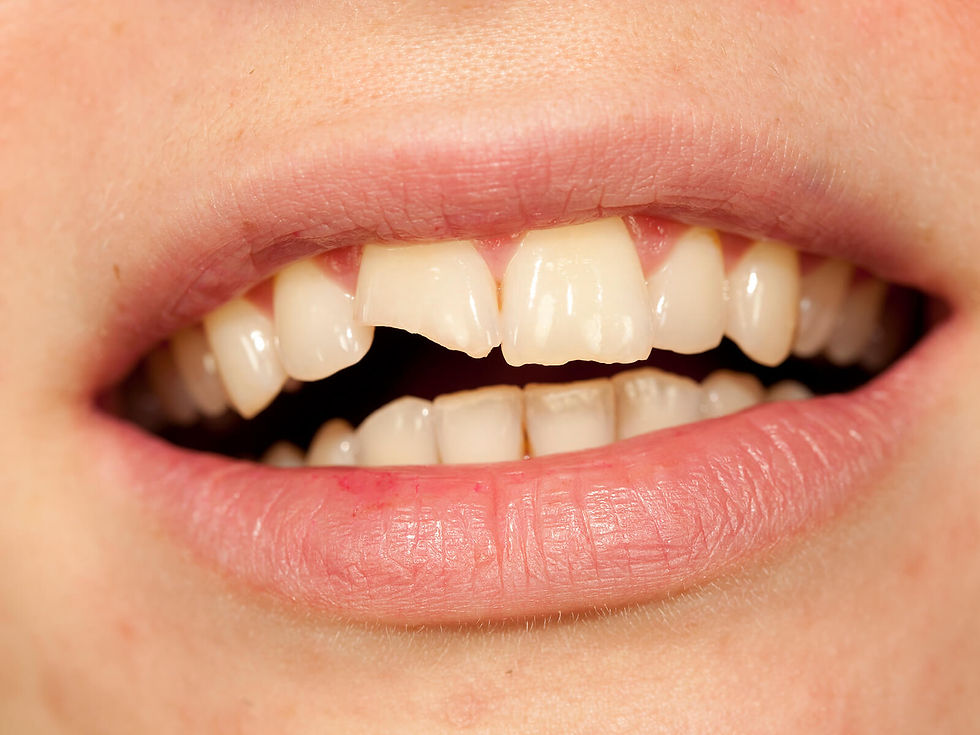
How to Stop Severe Tooth Pain at Night

Severe tooth pain at night can feel relentless, and the discomfort often peaks just when you need rest the most. Throbbing pain, sharp jolts when you bite, or a deep ache that pulses with every heartbeat are signs your tooth needs urgent attention. Some causes respond to simple home remedies until morning, but others point to a dental emergency that should not wait.
This guide explains why tooth pain intensifies after dark, how to find fast relief tonight, and when to call a dentist in Hong Kong for urgent care.
Why Tooth Pain Feels Worse at Night
Many patients notice that a mild ache during the day turns into severe pain the moment they lie down to sleep. There are several physiological reasons for this pattern.
When you lie flat, more blood flows to your head and jaw. The increased blood pressure inside an already inflamed tooth pulp creates a throbbing sensation that is far more intense than what you feel sitting upright. Inflamed pulp tissue is trapped inside a rigid chamber of dentine, so even a small rise in pressure causes significant pain.
Night also removes the distractions of work, conversation, and movement. Without those competing signals, your brain pays closer attention to pain. Some people also clench or grind their teeth during sleep, a condition called nocturnal bruxism, which loads cracked or inflamed teeth with hundreds of kilograms of force per square centimetre over the course of the night.
Sinus congestion and acid reflux, both common during sleep, can also amplify tooth pain in the upper jaw by adding pressure or chemical irritation to already sensitive teeth.
Common Causes of Severe Tooth Pain at Night
Identifying the likely source of your pain helps you decide between waiting until morning and seeking emergency care. Most severe nighttime toothache falls into one of the following categories.
Irreversible Pulpitis from Deep Decay
When decay reaches the soft inner pulp, bacteria trigger inflammation that the body cannot resolve on its own. The classic pattern is a deep, throbbing ache that lingers for minutes after exposure to hot drinks or cold air, often worsening when you lie down. Severe spontaneous pain that wakes you from sleep is a strong indicator of irreversible pulpitis, and the standard treatment is root canal treatment to remove the inflamed nerve tissue.
Dental Abscess
An untreated infected tooth can develop into an abscess, a pocket of pus that builds pressure inside bone and soft tissue. Pain from an abscess is often constant, severe, and accompanied by swelling, a bad taste, tenderness when chewing, and sometimes fever. Abscesses are dental emergencies because the infection can spread to surrounding tissue and, in rare cases, become life threatening.
Cracked or Fractured Tooth
A cracked tooth often hurts most when you release biting pressure rather than when you bite down. Pain may be sharp and unpredictable, flaring up at night when you grind or clench. Cracks are not always visible to the naked eye, and a fractured tooth sometimes needs imaging and microscope assisted diagnosis before treatment can be planned.
Exposed Dentine and Sensitive Teeth
Worn enamel, gum recession, and aggressive brushing can expose the softer dentine layer below. Cold air drawn in through the mouth during sleep, or a cold pillow against the cheek, can trigger sharp sensitivity. Persistent or severe sensitivity is a sign that something more than mild enamel wear is involved, and a clinical assessment for sensitive teeth is the safest next step.
Pericoronitis Around Wisdom Teeth
When a wisdom tooth partially erupts, a flap of gum can trap food and bacteria, leading to a localised infection called pericoronitis. The pain is often deep, dull, and worse at night, sometimes radiating to the ear or jaw. Swelling, difficulty opening the mouth, and a foul taste are common warning signs.
Immediate Steps to Stop Tooth Pain Tonight
While none of the following measures replace professional care, they can reduce pain enough to get through the night and into a dental appointment.
Take an over the counter pain reliever such as ibuprofen or paracetamol at the dose recommended on the packet. Ibuprofen reduces inflammation as well as pain, which is particularly useful for pulpitis and pericoronitis. Never place an aspirin tablet directly against the gum, as this can cause a chemical burn.
Rinse your mouth gently with warm salt water (one teaspoon of salt in a cup of warm water) to soothe inflamed gums and flush out food debris around the painful tooth.
Apply a cold compress to the outside of your cheek in 15 minute intervals. Cold constricts blood vessels and dulls nerve signals.
Sleep with your head elevated on an extra pillow. Raising your head reduces blood pressure in the jaw and eases throbbing.
Avoid very hot, very cold, sweet, or acidic foods and drinks. Stick to lukewarm water until you see a dentist.
Gently floss around the painful tooth to remove any trapped food, which can mimic or aggravate a toothache.
If you suspect grinding is contributing to the pain, place your tongue between your teeth as you fall asleep to prevent clenching, and ask your dentist about a custom night guard for long term protection.
Home Remedies and Pain Relief Options
The table below summarises common short term options for severe tooth pain at night, including realistic expectations for each.
Remedy | How It Works | Best For | Limitations |
Ibuprofen 400 mg | Reduces inflammation and pain | Pulpitis, pericoronitis, post trauma pain | Avoid with stomach ulcers, kidney disease, or asthma sensitivity to NSAIDs |
Paracetamol 1 g | Blocks pain signals centrally | Mild to moderate toothache, patients who cannot take NSAIDs | No antiinflammatory effect; do not exceed 4 g in 24 hours |
Warm salt water rinse | Reduces bacterial load, soothes soft tissue | Gum infection, pericoronitis, post extraction discomfort | Temporary relief only |
Cold compress on cheek | Constricts vessels, numbs nerve endings | Swelling, throbbing pain | Use 15 minutes on, 15 minutes off; do not apply ice directly to skin |
Clove oil dab on tooth | Contains eugenol, a natural anaesthetic | Localised pain from an exposed cavity | Strong taste; can irritate gum tissue if overused |
Elevated head position | Lowers pressure in jaw vessels | Throbbing nighttime pain | Adjunct only |
Topical numbing gel (benzocaine) | Numbs surface tissue | Sore gums around a sore tooth | Short lived effect; not suitable for young children |
Combining ibuprofen with paracetamol, taken at staggered intervals, can deliver stronger pain control than either drug alone, but always check the dosing guidance and consult a pharmacist if you are taking other medication or have a medical condition.
When Nighttime Tooth Pain Is a Dental Emergency
Some symptoms should never wait until a regular appointment. Contact an emergency service if you experience any of the following alongside your toothache:
Facial swelling, especially swelling that extends to the eye, neck, or under the jaw
Difficulty swallowing, breathing, or opening your mouth
Fever, chills, or feeling generally unwell
A tooth that has been knocked out, pushed out of position, or visibly fractured after trauma
Uncontrolled bleeding from the mouth
Pain so severe that maximum dose pain medication makes no difference
These signs may indicate a spreading infection, a major fracture, or a dental abscess that requires drainage and antibiotics. Sola Dental provides emergency dental care in Hong Kong for situations exactly like these, and same day appointments are available when clinical urgency demands it.
Professional Treatment Options at Sola Dental
Once you reach the clinic, your dentist will take a focused history, examine the area, and usually take an X ray to identify the source of pain. Treatment depends entirely on the diagnosis, and the goal is to address the cause rather than mask the symptoms.
Common treatment pathways and their fees at Sola Dental are summarised below. All endodontic treatment at the clinic is performed under a dental operating microscope to maximise precision.
Treatment | Indication | Fee (HKD) |
Check up and consultation | First step for any new patient with tooth pain | $350 |
X ray (OPG or CBCT) | Confirming cause of pain, ruling out infection or fracture | $450 to $1,000 |
Filling | Decay limited to enamel or dentine, no pulp involvement | $800 |
Vital pulp therapy | Reversible pulp inflammation in a salvageable tooth | $4,000 to $6,000 |
Root canal treatment (anteriors and canines) | Irreversible pulpitis or necrosis, front teeth | $8,500 to $9,500 |
Root canal treatment (premolars) | Irreversible pulpitis or necrosis, premolars | $9,500 to $10,500 |
Root canal treatment (molars) | Irreversible pulpitis or necrosis, back teeth | $11,000 to $12,000 |
Simple extraction | Tooth beyond restoration | $900 |
Surgical tooth extraction | Impacted or non restorable tooth | $1,200 to $1,500 |
Crown (per unit) | Protection of a root canal treated or cracked tooth | $7,500 |
Medication (antibiotics, painkillers) | Active infection or swelling | $200 to $500 |
For pain caused by infection or pulp damage, conservative options such as vital pulp therapy or root canal treatment usually save the tooth and end the pain in a single visit or two. When a tooth is no longer restorable, extraction followed by future replacement options such as a dental implant or bridge may be the best path forward.
Whichever route is needed, the dentists at Sola Dental will explain the diagnosis, the alternatives, and the expected timeline so you can make an informed decision.
FAQs About Severe Tooth Pain at Night
Why does my tooth pain only start when I lie down?
Lying flat increases blood flow to your head and jaw, raising the pressure inside an inflamed tooth pulp. Because the pulp is sealed inside hard dentine, even a small increase in pressure produces strong throbbing pain. This pattern is one of the most reliable signs that the pulp is involved and that you should see a dentist promptly.
Can a toothache go away on its own?
Mild pain from a sensitive tooth, trapped food, or transient gum irritation can settle without treatment. However, pain that is severe, throbbing, recurrent, or accompanied by swelling almost always indicates an underlying problem that will progress without care. Even if the pain fades temporarily, the cause is usually still active, and the next flare up is often worse.
Is ibuprofen or paracetamol better for tooth pain?
Ibuprofen tends to work better for pain driven by inflammation, such as pulpitis or pericoronitis, because it targets both inflammation and pain. Paracetamol is a safer choice for patients with stomach issues, kidney problems, or NSAID sensitivity. When neither alone is enough, your dentist or pharmacist may suggest alternating both within safe daily limits.
Should I go to the hospital or a dentist for severe tooth pain?
For most toothaches, a dental clinic is the right destination because hospitals do not perform definitive dental treatment. Go to an emergency department only if you have facial swelling that affects breathing or swallowing, high fever, or trauma involving more than the tooth itself. Otherwise, contact a dental emergency service as soon as possible.
How quickly can I be seen at Sola Dental for emergency tooth pain?
Sola Dental aims to fit emergency patients in on the same day whenever clinical urgency requires it. You can reach the clinic by phone on 2887 8520 or via WhatsApp on 9422 8026 to describe your symptoms, and the team will advise on the next available slot and any steps you can take in the meantime.
Will I always need a root canal for severe tooth pain?
Not always. If the pulp is only mildly irritated, treatments such as a filling or vital pulp therapy may resolve the pain while keeping the nerve alive. Root canal treatment is reserved for teeth where the pulp is irreversibly inflamed or already dying. A diagnostic examination and X ray are needed to decide which pathway is appropriate for your specific tooth.